

Emergency & Restorative Care
Tooth Injury Care in Mequon, Wisconsin
Fast, gentle treatment to protect your smile.
A cracked or knocked-out tooth rarely gives warning — it can happen on the field, in a fall, or mid-bite at dinner. Our Mequon, Wisconsin team jumps in fast and gently to quiet the pain, stop problems before they start, and get your tooth back in shape as quickly as we can. From the moment you arrive, we’ll keep you calm, safe, and well looked after.

Mequon Dental Arts & Implants • Serving Mequon Since 1999
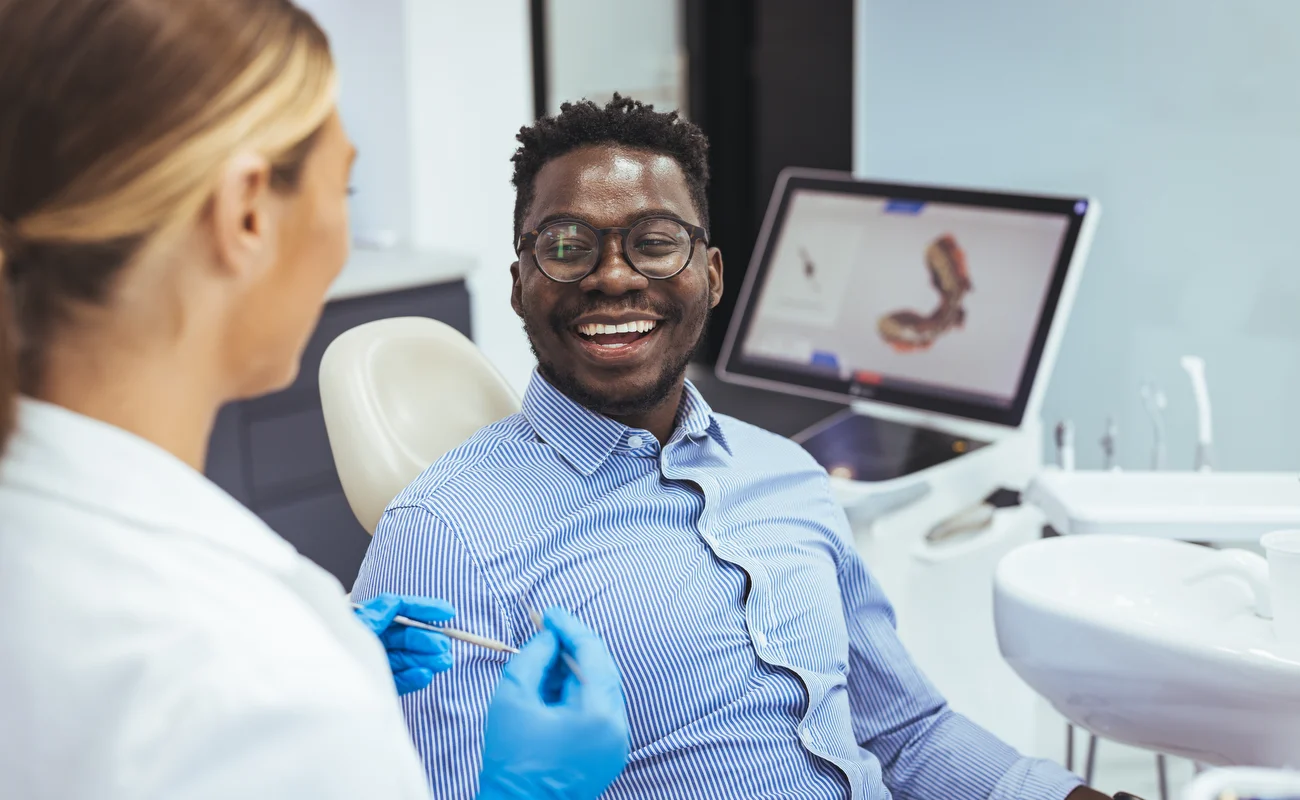
Prompt Tooth Injury Treatment
Chipped, cracked, loose, or knocked out — whatever’s happened to your tooth, our dentists in Mequon, Wisconsin respond quickly to protect your oral health. Advanced diagnostics and gentle techniques help us ease discomfort, preserve natural tooth structure, and prevent lasting damage.
Common Types of Tooth Injuries
Dental injuries range widely in severity, and an early look is key to avoiding infection or permanent damage. We treat every level of trauma with a focus on comfort and stability.
- Chipped Teeth Small fractures smoothed or repaired with bonding.
- Cracked Teeth Structural cracks restored with crowns or protective strengthening.
- Loose or Displaced Teeth Stabilization splints support healing and help the tooth reattach.
- Knocked-Out Teeth Time is everything — reimplantation may be possible within 30 to 60 minutes.
How We Restore Injured Teeth
Saving your natural tooth is always the first goal. We shape treatment around your specific injury and comfort needs.
- Dental Bonding Repairs chips and minor fractures fast with natural-looking composite.
- Crowns Protect and strengthen teeth with larger cracks or lost structure.
- Root Canal Therapy Clears infection when the nerve is affected, relieving pain and saving the tooth.
- Tooth Replacement Options When a tooth can’t be saved, we offer implants, bridges, and partial dentures.
Advanced Technology for Accurate, Comfortable Care
- Digital X-rays for precise injury assessment
- Intraoral cameras for clear diagnostic imaging
- High-strength restorative materials for long-lasting results
When to Seek Emergency Dental Care
If you’re facing severe pain, mobility, bleeding, swelling, or a lost tooth, reach out right away. Acting fast greatly improves the odds of saving the tooth and avoiding complications. Our team will guide you on next steps and arrange urgent care when it’s needed.
Get the Care You Need
If you or someone you love has suffered a tooth injury, don’t wait. Book online for fast, gentle treatment that protects your health and helps you feel confident again.
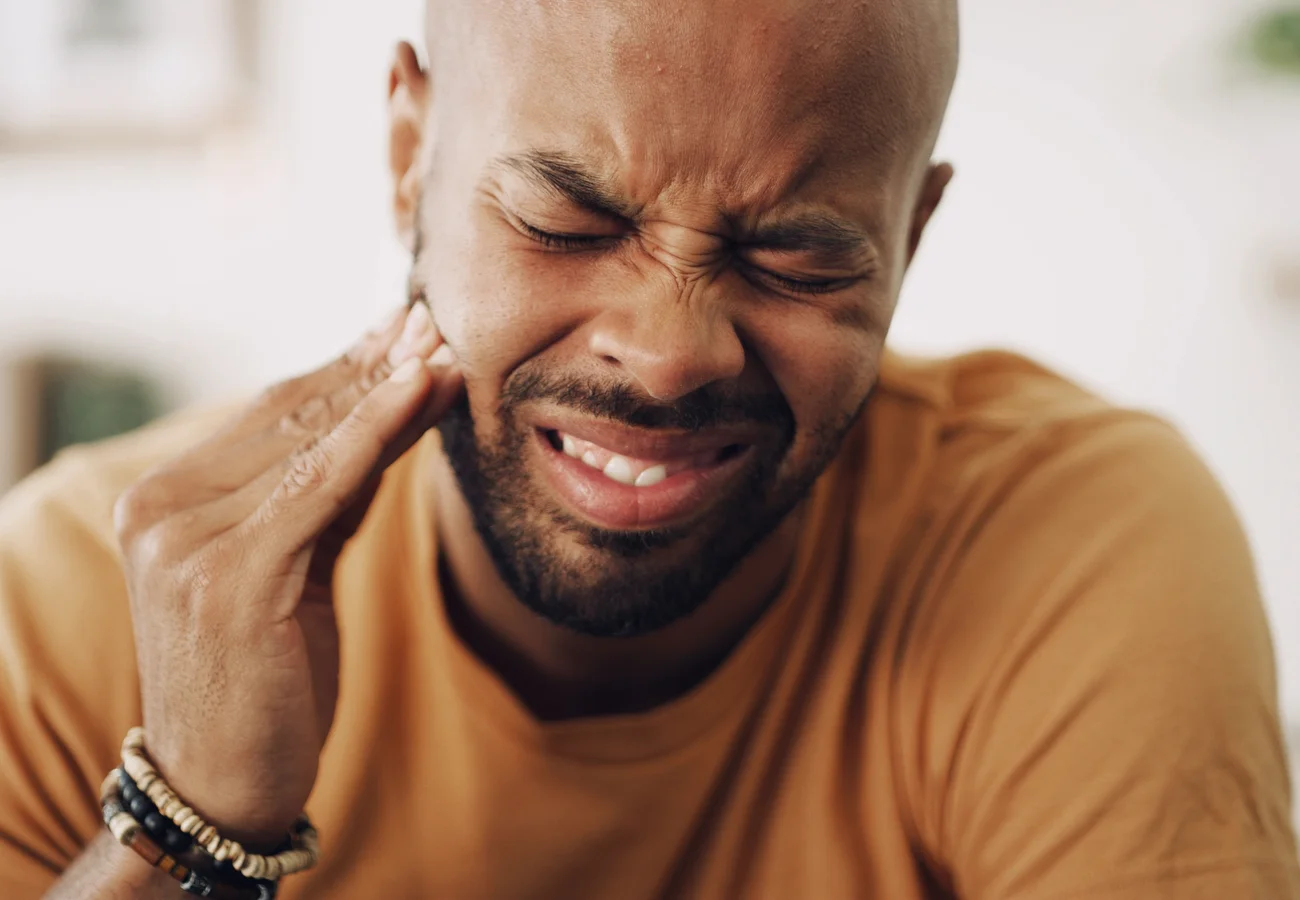

Tooth Injury: Frequently Asked Questions
- Is a tooth injury considered a dental emergency?
- Usually, yes. A tooth that’s cracked, loose, aching, or fully knocked out needs prompt attention to stave off infection, nerve damage, and lasting problems.
- What should I do if my tooth is knocked out?
- Hold the tooth by the crown, rinse it gently, and slip it back into the socket if you can. If not, keep it in milk and come straight in. Teeth have the best chance of being saved within 30 to 60 minutes.
- How can I tell if a cracked tooth needs treatment?
- Have any crack looked at, even a hairline one. Pain, sensitivity, or a fracture you can see can signal damage inside the tooth that needs restorative care.
- Will a chipped tooth always need a crown?
- Not necessarily. A minor chip can often be smoothed or filled with bonding, while a bigger fracture may call for a crown to add strength and protection.
- Can a tooth injury cause long-term issues?
- It can. Trauma left untreated may bring on infection, nerve damage, tooth loss, or bite trouble, so early care goes a long way toward protecting your oral health.
- Is treatment for tooth injuries painful?
- We use modern numbing techniques and a gentle approach to keep your visit as comfortable as possible, and most patients feel little to no discomfort during treatment.
- Do I need X-rays for a tooth injury?
- In most cases, yes. Digital X-rays reveal the internal structures, root health, and hidden fractures we need to see to treat the injury correctly.
- How soon should I reach out after a tooth injury?
- Right away. Fast action improves outcomes, especially for knocked-out or loosened teeth. Get in touch the moment the injury happens for immediate guidance.



“Amazing Team and Experience”
I had a great experience at Mequon Dental Arts. Everyone was kind, professional, and made me feel comfortable from the moment I arrived. My appointment was efficient, and the dentist took the time to answer my questions and explain my care clearly.

“Super Professional and Caring”
I’m so glad I found Mequon Dental Arts. The entire team was welcoming, honest, and professional, and they made sure I felt comfortable throughout my visit. The care was gentle, and everything was explained clearly.
