


Conservative Restorative Dentistry
Inlays and Onlays in Mequon, Wisconsin
Stronger, natural-looking tooth repairs.
Some damage lands in between — too much for a plain filling, not enough for a full crown. That’s exactly where inlays and onlays shine. These custom restorations tuck seamlessly into your smile while reinforcing a weakened tooth, and in Mequon, Wisconsin we place them with an eye toward comfort and durability that holds up for years.
Mequon Dental Arts & Implants • Serving Mequon Since 1999
Inlays and Onlays
Inlays and onlays are custom restorations that repair a damaged or decayed tooth while sparing as much healthy structure as possible. In Mequon, Wisconsin, we combine modern materials with precise technique to build restorations that feel comfortable, look natural, and get you chewing with confidence again.
What Are Inlays and Onlays?
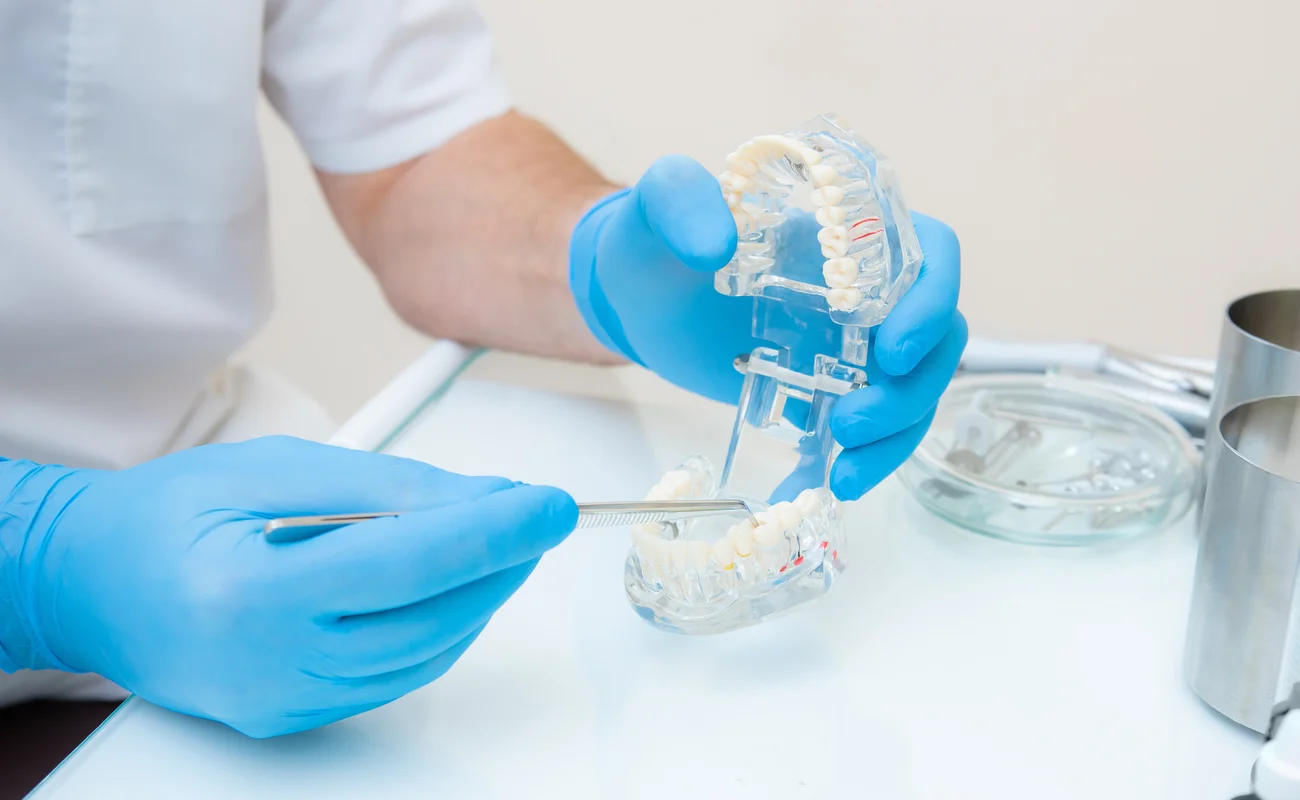
They’re sometimes called “partial crowns” because they restore only the part of the tooth that needs support. An inlay nestles within the grooves on the biting surface, while an onlay reaches over one or more cusps. Both bond securely to the tooth for a strong, seamless repair.
Why Your Dentist May Recommend Them
We often suggest an inlay or onlay when a tooth has too much damage for a standard filling but still has enough healthy structure to avoid a full crown. It’s the conservative route — keeping more of your natural tooth intact while restoring function and looks.
- Stronger than a Filling They add real reinforcement to teeth with larger cavities or fractures.
- Natural-Looking Results Tooth-colored materials are matched to your smile so the repair disappears.
- Conservative Treatment Less healthy tooth is removed than with a traditional crown.
- Long-Lasting Protection With good home care and regular checkups, they can last many years.
How the Inlay or Onlay Process Works
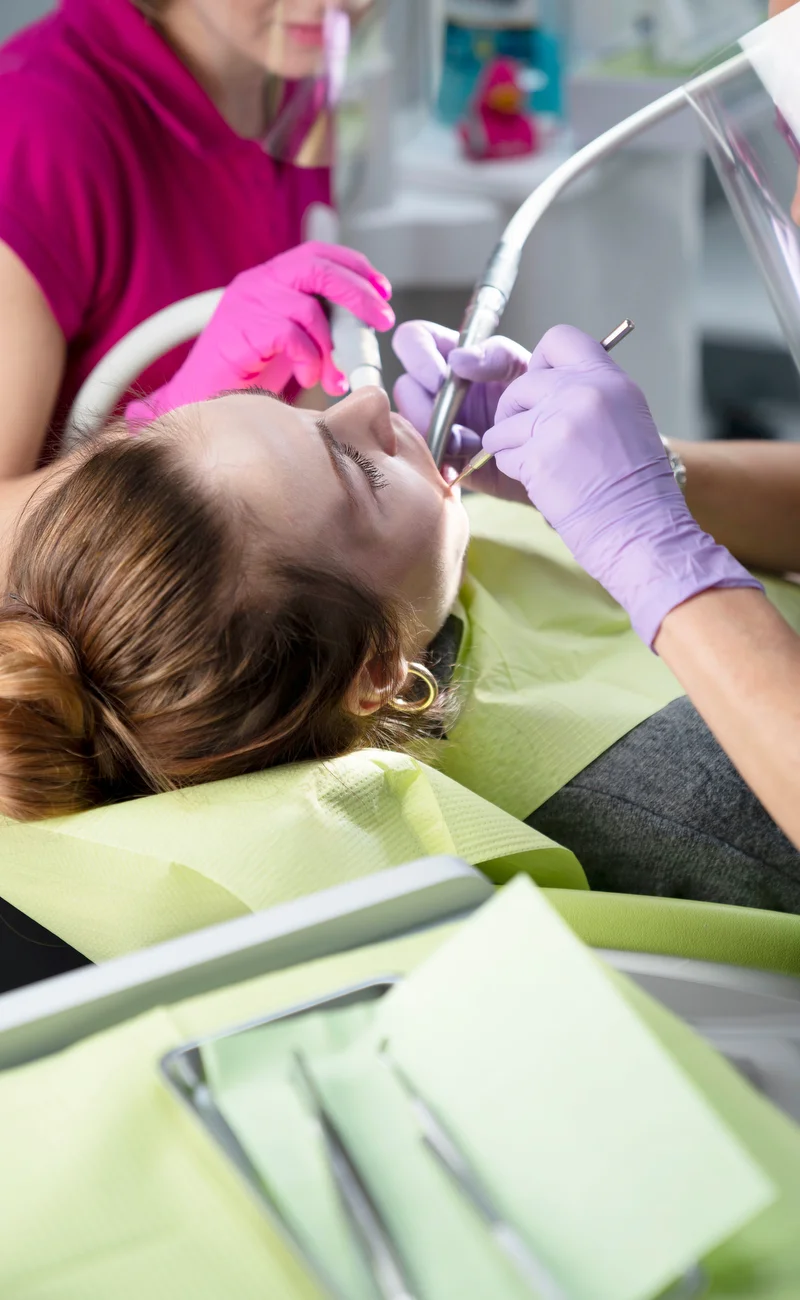
Your visit opens with a gentle exam and digital X-rays so we can size up the tooth and go over your options. If an inlay or onlay is the right call, we numb the tooth, clear the damaged areas, and take precise digital or traditional impressions. A dental lab crafts the restoration, and once it’s ready, we bond it in place and fine-tune your bite for comfort.
- Durable ceramic or composite chosen for lifelike color and strength
- Precise bite tuning so chewing stays comfortable and even
- A final polish that leaves the surface smooth and easy to keep clean
Is an Inlay or Onlay Right for Me?
You may be a good candidate if you have a cracked tooth, a large older filling, or decay that’s outgrown a simple filling. At your visit, we’ll weigh your goals, your oral health, and your budget to help you choose between a filling, inlay, onlay, or crown — and we’re glad to walk through insurance or financing options too.
If chewing is uncomfortable, hot and cold set off sensitivity, or you’ve been told you might need a crown, an inlay or onlay could be a more conservative alternative. Book online to schedule a visit and find out which option best fits your smile.

Inlays and Onlays: Frequently Asked Questions
- What is the difference between an inlay, an onlay, and a filling?
- A filling goes directly into the tooth in one visit and suits smaller areas of decay. Inlays and onlays are custom-made outside the mouth and then bonded on. An inlay fits between the cusps, while an onlay covers one or more cusps for extra reinforcement.
- Will getting an inlay or onlay hurt?
- Most patients feel little to nothing during the procedure. We numb the tooth and the area around it first and check in with you often. Some mild sensitivity afterward is normal and usually settles within a few days.
- How long do inlays and onlays last?
- Given consistent home care and routine checkups, inlays and onlays commonly hold up a decade or more. Easing off habits like crunching ice, gnawing pens, or grinding your teeth stretches their lifespan further.
- Do inlays and onlays look natural?
- They do. The materials are shade-matched to the enamel beside them, so the treated tooth blends right in — most people would never spot the repair.
- Are inlays and onlays covered by dental insurance?
- Many plans offer partial coverage when an inlay or onlay is needed to restore a damaged tooth. Coverage varies, so we’ll review your benefits and provide an estimate before treatment.
- How should I care for a tooth with an inlay or onlay?
- Nothing special is required — brush twice a day with fluoride toothpaste, floss daily, and stay current on cleanings and exams. Just flag any change in how the tooth feels or any new sensitivity.
- What happens if I delay treatment?
- Waiting too long on a cracked or decayed tooth lets the damage spread, sometimes leading to a full crown or even root canal therapy. Placing an inlay or onlay at the right time helps protect the tooth and can head off bigger treatment later.
- How do I get started with inlays and onlays?
- If you have a damaged tooth or suspect an old filling is failing, book online for an exam in Mequon, Wisconsin. We’ll evaluate the tooth, discuss your options, and help you decide whether an inlay, onlay, or another treatment is best.



“Amazing Team and Experience”
I had a great experience at Mequon Dental Arts. Everyone was kind, professional, and made me feel comfortable from the moment I arrived. My appointment was efficient, and the dentist took the time to answer my questions and explain my care clearly.

“Super Professional and Caring”
I’m so glad I found Mequon Dental Arts. The entire team was welcoming, honest, and professional, and they made sure I felt comfortable throughout my visit. The care was gentle, and everything was explained clearly.
