


Advanced Gum & Bone Care
Osseous Surgery in Mequon, Wisconsin
Gentle Gum Surgery To Protect Your Smile
Once gum disease has eaten into the bone around your teeth, osseous surgery can stop the infection in its tracks and preserve your smile. By reshaping the affected bone and cleaning far beneath the gumline, we give your teeth a sturdier, healthier base to stand on. Our Mequon, Wisconsin team leads with comfort, plain-spoken guidance, and results that hold up over time.
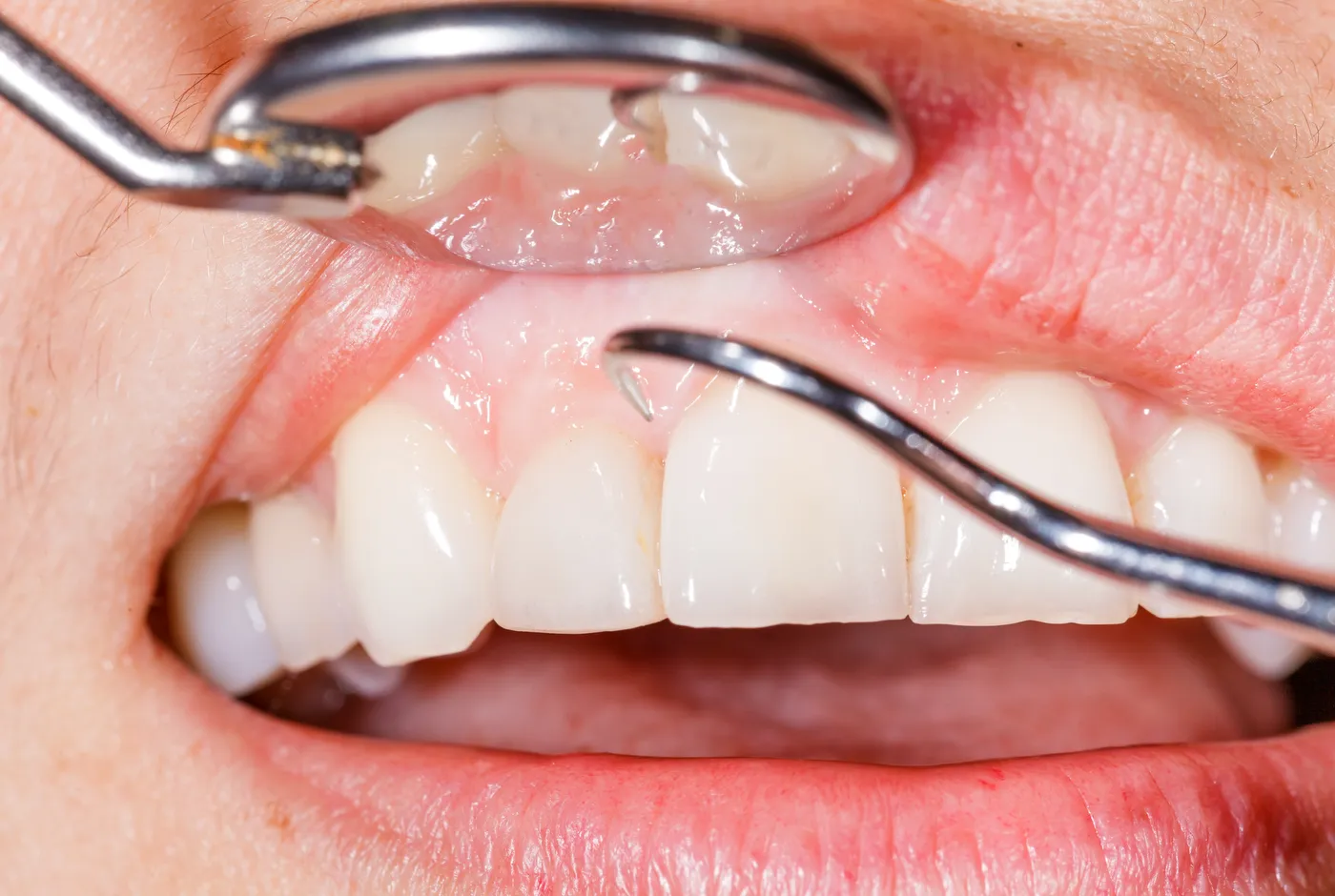
Mequon Dental Arts & Implants • Serving Mequon Since 1999

Osseous Surgery for Advanced Gum Disease
Osseous surgery is a specialized treatment that cleans deep gum pockets, clears diseased tissue, and reshapes the bone supporting your teeth. For many patients in Mequon, Wisconsin, it’s a pivotal step in stopping advanced gum disease, calming infection, and keeping teeth from loosening or being lost.
What Is Osseous Surgery?
We turn to osseous surgery when periodontal pockets grow too deep for routine care or standard deep cleanings to reach. During the procedure, the gums are gently lifted so we can thoroughly clear plaque, tartar, and infected tissue from the roots and surrounding bone. The bone is then smoothed and reshaped so the gums heal back in a healthier, easier-to-clean position.
Benefits of Treating Advanced Gum Disease
Tackling gum disease early and thoroughly pays off for both your oral and overall health. Osseous surgery is built to control infection and preserve as much of your natural smile as possible.
- Stops Active Infection Deep cleaning and removal of diseased tissue cut back bacteria and inflammation.
- Protects Teeth From Loosening Reshaping damaged bone and snugging up the gums improves stability around your teeth.
- Makes Home Care Easier Shallower pockets are simpler to brush and floss, helping you hold on to your results.
- Supports Overall Health Getting gum disease under control lowers the bacterial load that can affect the rest of the body.
How the Osseous Surgery Process Works
Before recommending osseous surgery, we carefully examine your gums, review your X-rays, and talk through every option. If surgery is the right path, we explain each step ahead of time so nothing takes you by surprise.
- A comprehensive periodontal exam and digital X-rays to gauge pocket depths and bone levels.
- Local anesthetic to keep the area fully numb and comfortable throughout.
- Thorough cleaning of the tooth roots and removal of inflamed or infected tissue below the gums.
- Precise reshaping of rough or irregular bone for a smoother, healthier foundation.
- Sutures placed so the gums heal snugly around your teeth and pockets shrink.
Healing, Aftercare, and Long-Term Maintenance
Most patients have mild soreness and swelling for a few days after osseous surgery, usually handled with over-the-counter medication, cold compresses, and a soft diet. We’ll see you for follow-ups to check healing, remove sutures if needed, and review your home care. Ongoing periodontal maintenance cleanings — typically every three to four months — are key to keeping your gums healthy and protecting the results. If you have questions about costs, insurance, or payment arrangements, we’re glad to go over the options before treatment.
If you’ve been told you have advanced gum disease or you’re worried about loose or sensitive teeth, we’re here to help. Book online to schedule a consultation and learn whether osseous surgery is right for you.
Osseous Surgery: Frequently Asked Questions
- What Is Osseous Surgery?
- Osseous surgery treats advanced gum disease by cleaning deep pockets around the teeth, removing infected tissue, and reshaping the bone that supports them. That helps the gums heal in a healthier position and makes the area easier to keep clean.
- Why Would My Dentist Recommend Osseous Surgery?
- We may suggest it when gum pockets are too deep for regular cleanings or scaling and root planing to manage. Left untreated, those deep pockets trap bacteria, erode bone, and can eventually lead to loose or lost teeth.
- Is Osseous Surgery Painful?
- The area is fully numbed with local anesthetic during the procedure, so you shouldn’t feel pain. Some soreness or swelling afterward is normal, but most patients handle it with over-the-counter pain relief and the home-care instructions we provide.
- What Is Recovery Like After Osseous Surgery?
- Most patients get back to normal activities within a day or two, though we may ask you to skip strenuous exercise for a bit. You’ll likely stick to a soft diet, use special rinses, and brush gently near the treated area until it heals.
- Are There Alternatives to Osseous Surgery?
- In earlier gum disease, scaling and root planing (a deep cleaning) may be enough to keep infection in check. When pockets stay very deep, though, osseous surgery is often the most reliable way to reduce their depth and protect your teeth. We’ll review every fitting option with you first.
- Will My Insurance Cover Osseous Surgery?
- Many plans include benefits for periodontal treatment, osseous surgery included, but coverage varies. We’ll help you review your plan, estimate out-of-pocket costs, and go over payment arrangements before we begin.
- How Long Do the Results Last?
- Paired with excellent home care and regular periodontal maintenance, the results can be long-lasting. Brushing, flossing, and professional cleanings help prevent new buildup and keep pockets from deepening again.
- What If I Feel Nervous About Gum Surgery?
- Feeling anxious about any surgery is completely normal. We take time to answer your questions, explain each step in plain terms, and move at a pace that feels comfortable. If you’re especially nervous, ask us about extra comfort options.
- How Do I Get Started?
- If you’ve been told you have gum disease or you’re concerned about bleeding or tender gums, book online for a periodontal evaluation in Mequon, Wisconsin and find out whether osseous surgery could help save and strengthen your smile.



“Amazing Team and Experience”
I had a great experience at Mequon Dental Arts. Everyone was kind, professional, and made me feel comfortable from the moment I arrived. My appointment was efficient, and the dentist took the time to answer my questions and explain my care clearly.

“Super Professional and Caring”
I’m so glad I found Mequon Dental Arts. The entire team was welcoming, honest, and professional, and they made sure I felt comfortable throughout my visit. The care was gentle, and everything was explained clearly.
